
Lower Omo Valley
- Duration
- 10 days
- Group size
- 2–1215 travellers
- Best season
- Year-round
- Price
- On request
 1 / 4
 2 / 4
 3 / 4
 4 / 4
Tour overview
This tour encompasses the great Ethiopian Rift Valley lakes, the cultural sites that include more than fifteen ethnic groups with different languages and ways of living, and the natural sites that include wildlife sanctuaries and major parks found in southern Ethiopia. Beginning in Addis Ababa with a city tour covering the Emperor Menelik II Mausoleum, Trinity Cathedral, the archaeological and ethnographic museums, Entoto Mountain, and Merkato, the journey then heads south through the industrial districts of Kaliti-Akaki, Dukem, and Debre-Zeit.
Travel through the Rift Valley lakes — Koka, Ziway, Shashemene, and Awassa — before reaching Arba Minch. Explore Lake Chamo by boat to see giant crocodiles and hippos, cross to Nech-Sar National Park for zebras, Swayne’s hartebeest, gazelles, and birdlife, and visit the Dorze people of the Chincha Hills, famous for their bamboo and false banana tukuls and cotton weaving.
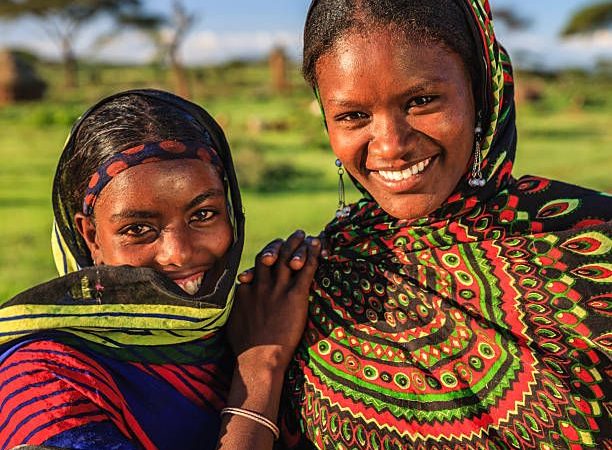
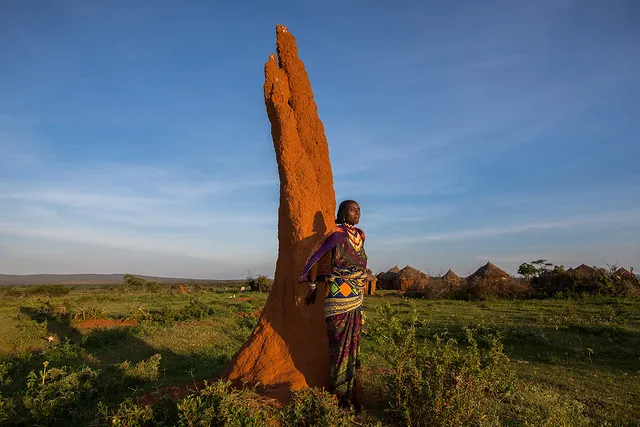
Continue through Konso highlands with their generation-marking stelae and terracing, the Weyto lowlands and Tsemay people, to Jinka. Visit Mago National Park and the Mursi people with their clay lip plates, then travel to Turmi via Key Afer and Dimeka to meet the Bena tribe. Drive to Omorate to visit the Dashench (Galeb) people by crossing the Omo River, and visit a Hamer village. The journey proceeds to Yabelo through Weyito, Erbore, and Konso, visiting the Erbore people and the Yabelo Wildlife Sanctuary.
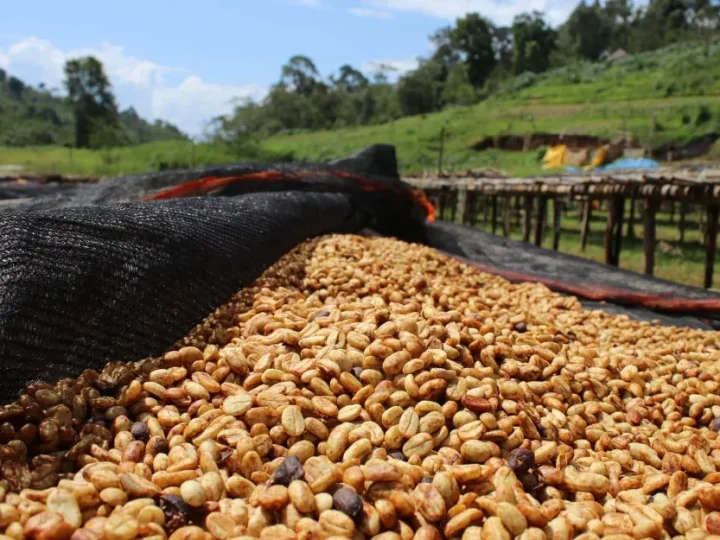
Visit the Borena Oromo people at Deblouk with their “Singing Wells” — age-old means of drinking cattle from wells as deep as 30 meters by human ladder — and El-Sod’s “Chew Bet” (House of Salt), where the Borena extract black salt from a crater lake 100 meters deep. Return through the Sidama Highlands, famous for organic Arabica and Robusta coffee and the Inset (false banana) culture, visiting the coffee marketing towns of Hagere Mariam, Yergachefe, and Dilla, and the Sidama and Gedio peoples. Conclude with Wondo Genet’s hot springs, Abijatta-Shala National Park, Langano, and the creator lakes at Debre Zeit (Bishoftu) before a complimentary farewell dinner in Addis Ababa.
Itinerary
Arrive in Addis Ababa, meet and greet by Ker Ethiopia Tours representative. After a brief description, transfer to the hotel. Check in and after breakfast, conduct the city tour of Addis Ababa. Addis Ababa is the political, economic, and social capital of Ethiopia, founded in 1887 by Emperor Menelik II. It is also the seat of the African Union headquarters, the political capital of Africa. Addis Ababa has many historical and modern places to visit, to mention some of them: the historical sites — the Emperor Menelik II Mausoleum, Trinity Cathedral, the Archaeological and Ethnographic museums, the 3000-meter-high Entoto Mountain and the panoramic view of Addis Ababa, and the Mercato (the largest open market in Africa), and many more. Have lunch at one of the traditional restaurants in the city. Dinner and overnight at the hotel.
Drive south through the industrial districts of Kaliti-Akaki, Dukem, Debre-Zeit, and proceed to Mojo, and continue driving into the Rift Valley lakes. En-route visit the artificial lake of Koka and continue driving to Lake Ziway, where we can see abundant aquatic bird species and fishermen with papyrus boats, and visit the hippopotamus pool by boat excursion. Have lunch and proceed to Arba Minch through the towns of Shashemene and Awassa. In all these small zonal and district towns, different ethnic groups with various cultures and ways of life can be seen. Have a coffee break and continue. Dinner and overnight at favourite lodge or hotel at Arba Minch.
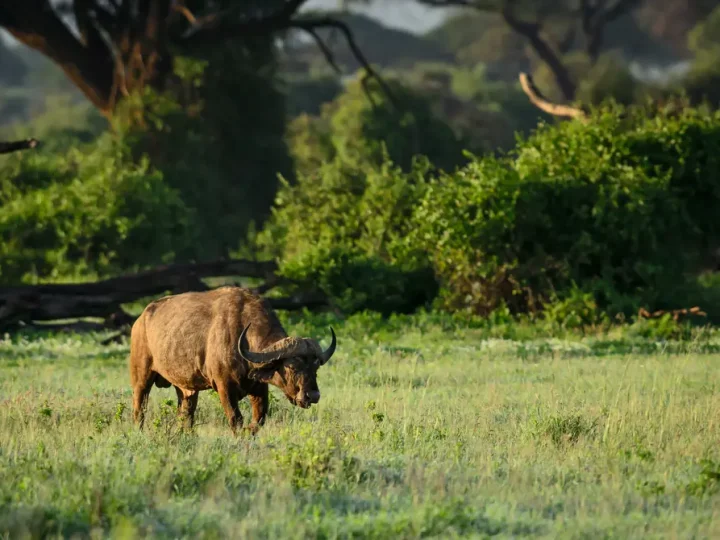
After breakfast, conduct a boat excursion on Lake Chamo to visit the Crocodile Market — crocodiles as big as 6 meters long in close range — and a herd of hippos basking in the lake. Cross the lake and visit Nech-Sar National Park, full of Burchell's zebras, Swayne's hartebeest, various gazelles, and a lot of bird species. Nech-Sar National Park is one of the well-preserved parks in Ethiopia and East Africa. Picnic lunch. Return and have a coffee break in the hotel and drive to the Chincha Hills to visit the Dorze people, who are famous for traditional tukuls made of bamboo and false banana leaf, having a height of up to 12 meters long, and traditional cotton weaving. Visit one of the tukuls and weaving cooperations. Return and have dinner at a local fish restaurant. Overnight at the same hotel.
After breakfast, drive to Jinka through the Konso highlands and Weyto lowlands. En-route visit one of the Konso villages, which are famous for the stones they erect in every generation mark and the grave mark called Wakas (or Waga), and their world-famous terracing practices and environmental protections. Another fascinating thing about the Konso people is that they still have the traditional King, and it is possible to visit his residence. Lunch and proceed to Weyto lowlands and have a coffee break and visit the Tsemay people. Continue to Jinka. Check in and if time allows visit the Ethnographic Museum in Jinka. Dinner and overnight at favourite hotel or lodge.
After breakfast, drive to Mago National Park to visit the Mursi people, one of the exotic peoples found in the park. These people are famous for inserting clay disks up to 15 cm in diameter in their lower lips to indicate social status by showing the number of cattle required by the wearer's family for her hand in marriage — i.e., the larger the lip plate, the larger the number of cattle required as a dowry. Mursis are also famous for severe stick fighting at the end of the harvesting. Picnic lunch and have a game drive in the park and visit the Park Headquarters museum. Back to Jinka town and proceed to Turmi via Key Afer and Dimeka. En-route visit the Bena tribal people, who are agriculturalists. Dinner and overnight at favourite hotel or lodge.
After breakfast, drive to Omorate and visit the Galeb (Dashench people), by crossing the Omo River by canoe or motor boat. The Dashench people are agro-pastoralists who are a cluster of a small number of ethnic groups and are settled on the eastern banks of the Omo River and mostly move from place to place in search of fodder and water for their cattle. The Galeb are famous for their annual Demi celebrations, which last for three weeks with feasting and traditional music and dance to announce the maturity of their children. Return and have a break and visit one of the Hamer villages, and if there is a traditional ceremony, it is optional to attend. Dinner and overnight at the same hotel.
After breakfast, drive to Yabelo through Weyito, Erbore, and Konso. En-route visit the Erbore people, who are very famous for colorful dressing and body adornment using naturally made colors and beads. Proceed to Konso, have a lunch break, and continue driving to Yabelo. En-route visit the Yabelo Wildlife Sanctuary. Dinner and overnight at Yabelo Motel or other hotels.
After early breakfast, drive to the small village of Deblouk to visit the Borena Oromo people. Visit their age-old means of drinking their cattle from a deep well as deep as 30 meters by means of a human ladder and cultural singing — the wells are called "Singing Wells." Proceed and visit one of the Borena Oromo villages and continue to El-Sod, the place where the Borena people extract black salt from a crater lake as deep as 100 meters. The place is called "Chew Bet," literally meaning "House of Salt." Return and have a picnic lunch at one of the village bars. Dinner and overnight at the same hotel.
After early breakfast, drive to Yergalem, passing through the Sidama Highlands, which are famous for their production of Ethiopian organic coffee: Arabica and Robusta, and the Inset (false banana) culture. En-route visit the coffee marketing towns of Hagere Mariam, Yergachefe, Dilla, and the stele field around Dilla town. Visit the Sidama and the Gedio people and proceed to Yergalem. Dinner and overnight at Aregash Lodge.
After breakfast, drive to Addis Ababa through the bustling regional town of Awassa. Proceed to Wondo Genet Resort Hotel and visit the natural hot spring swimming pool and bath. Proceed to Abiatta-Shala National Park for a visit, then to Langano for lunch and a visit. Proceed to Addis Ababa, en-route visiting one of the crater lakes at Debre Zeit (Bishoftu). Late in the afternoon, proceed to Addis. Complimentary dinner by Ker Ethiopia Tours representative at one of the traditional restaurants with local food and cultural music and dance.
Price Includes
Price Excludes
More Culture tours
 City Tour
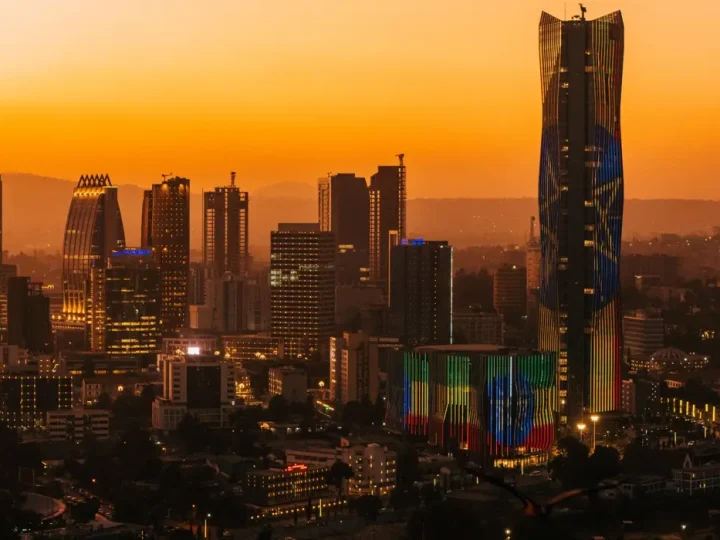
Half Day Addis Ababa Tour
 Nature
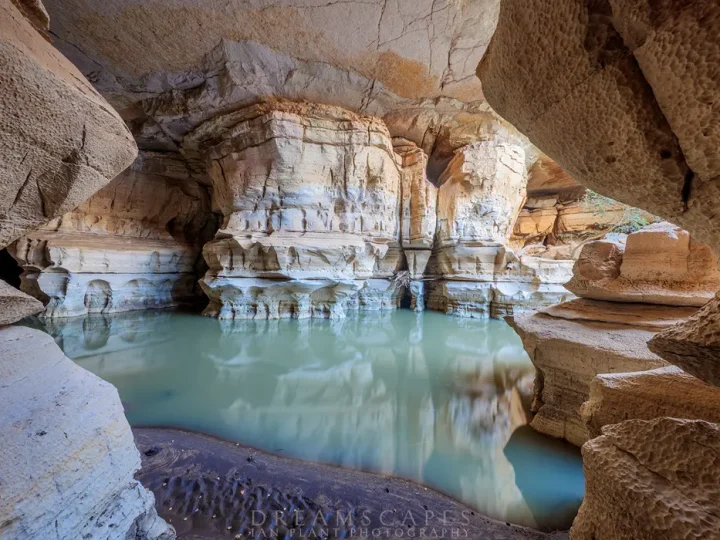
Bale Mountains & Sof Omar Caves
 Culture