The Complete Guide to Visiting the Omo Valley
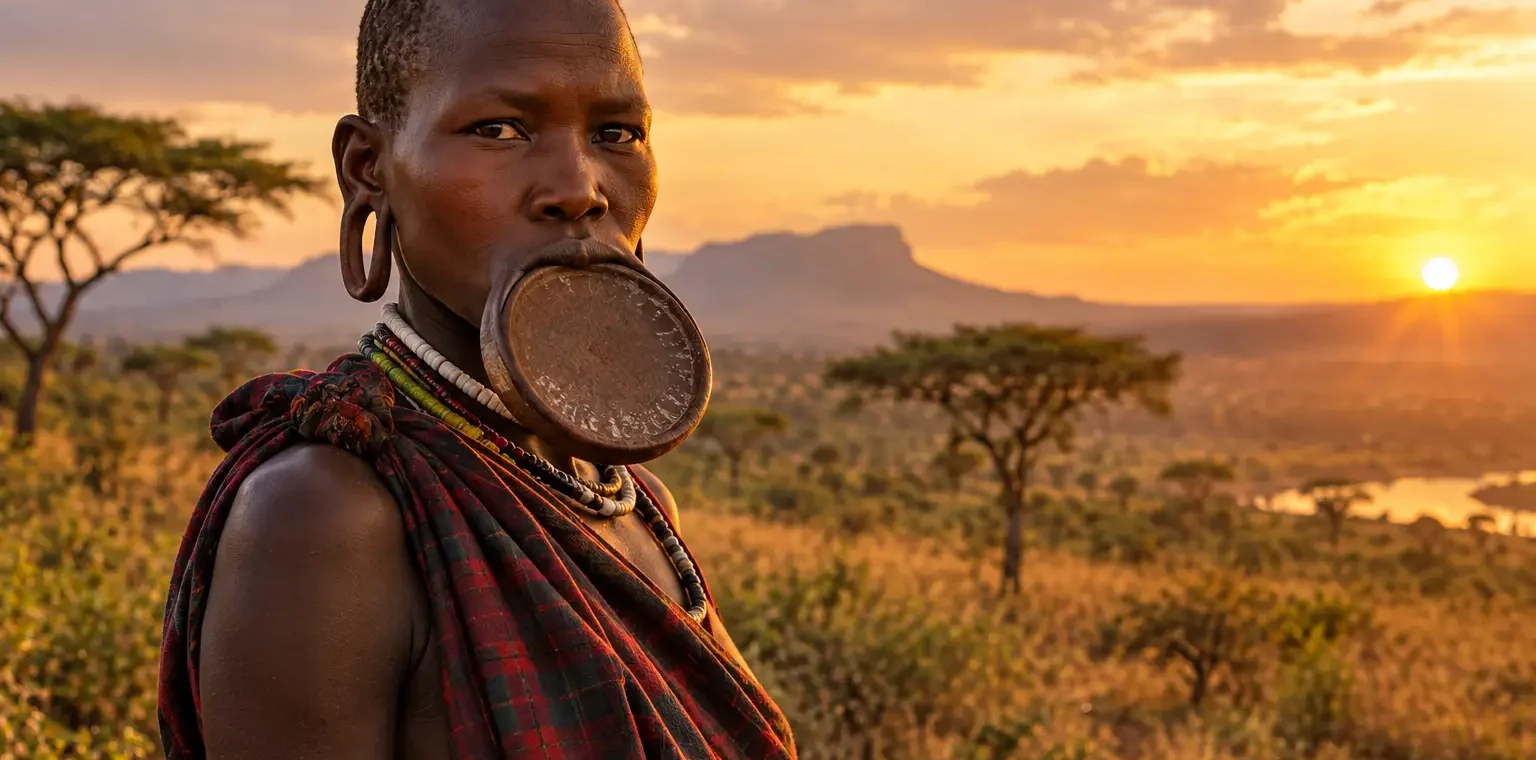
The Omo Valley is one of the most culturally diverse and visually striking regions in Africa. Located in southern Ethiopia near the borders with Kenya and South Sudan, this remote valley is home to more than 50 ethnic groups, each with its own language, traditions, and way of life. For travelers seeking authentic cultural encounters, the Omo Valley is an unforgettable destination — but it requires careful planning and respectful travel.
This complete guide will help you understand what to expect, how to prepare, and how to travel ethically in the Omo Valley.
Where Is the Omo Valley?
The Omo Valley follows the course of the Omo River, which flows south from the Ethiopian highlands into Lake Turkana on the Kenya border. The main towns serving as gateways to the valley are Jinka, Turmi, Omorate, and Arba Minch. Most tours begin with a flight from Addis Ababa to Arba Minch or Jinka, followed by overland travel.
The Tribes of the Omo Valley
The valley is home to numerous ethnic groups, each with distinct customs. The most commonly visited include:
Mursi — Famous for the clay lip plates worn by women. The size of the plate indicates social status and the number of cattle required for marriage. The Mursi live near Mago National Park.
Hamer — Known for their intricate body adornment, colorful dress, and the bull-jumping ceremony (Ukuli Bula) that marks a boy’s transition to manhood.
Konso — A UNESCO-recognized culture famous for stone terracing, fortified hilltop villages, and carved wooden Waka grave markers.
Karo — Masters of body painting, using natural pigments to create striking designs for ceremonies.
Dasanech (Galeb) — Agro-pastoralists living along the Omo River’s eastern banks, known for their annual Demi celebrations.
Bena — Agriculturalists living near the Key Afer and Dimeka areas.
Tsemay — Pastoralists of the Weyto lowlands.
Erbore — Known for colorful dress and body adornment using natural colors and beads.
Best Time to Visit
The best time to visit the Omo Valley is during the dry season, from October to March. Roads are more accessible, wildlife viewing is better, and many cultural ceremonies take place during this period. The Omo Valley’s many ceremonies — including bull-jumping, weddings, and harvest festivals — are more frequent after the rains.
How to Get There
-
By Air: Domestic flights connect Addis Ababa to Arba Minch and Jinka.
-
By Road: The drive from Addis Ababa to Arba Minch takes about 2 days; from Arba Minch to Jinka takes about 1 day.
-
Local Transport: 4×4 vehicles are essential for reaching remote villages and parks.
Cultural Etiquette
Traveling in the Omo Valley requires sensitivity and respect. Here are some guidelines:
-
Always ask before taking photos. Many people expect payment for photographs. Agree on a price beforehand.
-
Dress modestly. Avoid revealing clothing, especially in villages.
-
Don’t give money to children. It encourages begging. Instead, support communities through official guides and cooperatives.
-
Respect ceremonies. Some ceremonies are sacred and not open to tourists. Always ask your guide.
-
Learn a few words. Greetings in local languages are appreciated and open doors.
Photography Tips
-
Bring a telephoto lens for portraits and wildlife.
-
Ask permission before every photograph.
-
Be prepared to pay for posed photos (typically 5–10 USD).
-
Avoid photographing people in mourning or sacred ceremonies without permission.
-
Golden hour (early morning and late afternoon) offers the best light.
Where to Stay
Accommodation in the Omo Valley ranges from basic hotels to comfortable lodges. Popular options include:
-
Jinka: Jinka Resort, Eco Omo Lodge
-
Turmi: Buska Lodge, Turmi Lodge
-
Arba Minch: Paradise Lodge, Swaynes Hotel
-
Konso: Kanta Lodge
What to Pack
-
Lightweight, modest clothing
-
Sun hat and sunscreen
-
Insect repellent
-
Comfortable walking shoes
-
Cash (Ethiopian birr and USD) for fees and tips
-
Camera with extra batteries and memory cards
-
Reusable water bottle
Responsible Travel
The Omo Valley is changing rapidly due to development, tourism, and external influences. Travelers can help by:
-
Choosing responsible tour operators that employ local guides.
-
Supporting local communities through craft purchases and cooperative visits.
-
Learning about the cultures before you visit.
-
Treating people with dignity — they are not exhibits.